Storytelling
How to tell a founder origin story that makes people care
Most founders think their origin story is where they are from and what they built. It is not. It is the origin of a belief, and that is the part people lean in for.
Some people can stand up and talk, and the whole room leans in. Other people share their founder story and you can feel the air go flat. It is not luck, and it is not some hidden algorithm. It comes down to what kind of story they are telling.
The video below is called The Storytelling Mistake Almost Every Founder Makes. In it, Dee breaks down the first of three founder story types, the origin story, and shows why most people get it wrong. They reach for facts and dates. The story that actually lands is much smaller and much more human.
If you are an introvert, or you are modest, or you just feel like you have not done anything worth talking about, this is for you. An origin story is not bragging. It is one belief, told plainly, that anyone can connect with.
What is a founder origin story really about?
Most people think an origin story is one fixed thing. They go all the way back to the beginning and walk through their history in order. Born here, studied this, worked there, started the company. It is a long up and down timeline, the kind a director might narrate. And it bores people.
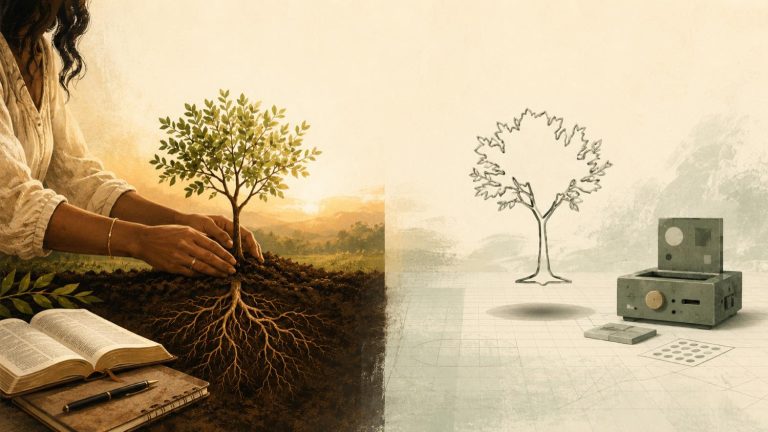
Here is the shift. A founder origin story is not about where you are from or what product you made. It is about the origin of a belief. It is the moment a belief about the world was born in you, the one you still carry today.
You do not have just one. Different origin stories happen in different seasons of your life. A story from when you were six can speak to people just as much as a story from last year. They connect because they come from real parts of who you are.
That is also why one founder story can pull in almost anyone, while another only clicks with certain people. When you tell the origin of a belief, you are handing people something they already feel too.
Origin stories are not about where you are from or some product you made. They are about the origin of a belief.
Why do origin stories work better than your product pitch?
When you talk about your product, you are talking at people. When you tell the origin of a belief, you are showing them who you are as a person. And people want to know the person before they care about the thing you sell.
This is the Person part of Dee’s Six P Storytelling System, which is part of Grounded Growth™. The system has more pieces, like Problem and Promise, but the origin story lives in the Person. Before anyone trusts your offer, they want to know what you believe and why.
Think about it from the listener’s side. Dee believes in hope. Dee believes in people. Dee believes in kindness. A story that proves that belief is something anyone can connect with. It brings a smile to your face while you tell it, which is also what makes you feel natural on camera instead of stiff.
If you want a simple way to test whether your message leads with the person or the product, the free Six Second Pitch™ is a fast way to hear how it lands.
How do you find your founder origin story?
Look for the moment you felt empty, like you had a higher calling you did not know how to reach. Maybe you saw someone else do a thing and thought, that could be me. That pull is the start.
Right behind it comes a voice that says, no, not you, not now, you are not ready. Dee points out that the voice showing up is actually a good sign. It tends to appear right when you are about to step into your gifts. I cannot give that speech. I cannot get on stage. I cannot make that video. And then you do it anyway.
An origin story is often the moment your beliefs changed. A small thing happened, you told someone about it later, and they leaned in and said, that was amazing. It felt tiny to you because you lived it. To them it was the whole point.
Notice those moments when people lean in. That lean is your signal. The story you almost skipped over is usually the one worth telling.
What does a real founder origin story sound like?
Dee tells one from when she was six. Her parents were young, 17 and 19 when they had her, and they could only afford an apartment on the rough side of town. But the home felt safe, because her parents told her they loved her every single day. That was the one ingredient some people feel they never got.
One night someone banged on the door. The apartment complex was on fire. They had time to grab each other and one thing each, then run. They lost everything. Toys, clothes, all of it gone to smoke and soot. People were even looting afterward.
It could have been the story of a child who grew up afraid of fire and afraid of people. Instead Dee remembers it with a smile. She remembers the woman who ran door to door waking people up. The police officer who held her and said it would be okay. The firefighters running into the flames. The Red Cross. That is where she saw who the world really was. Kind people, loving to strangers.
Her dad set the tone. Every night in the hotel he could have said, we lost everything, what now. Instead he pointed out the blessings. The officer who gave her a doll. The volunteer who hugged her. That is how a fire became the origin of hope, a belief she still carries into every hard moment since.
I saw the birth of something in me that said, this is what the world is like. Kind people, loving to strangers.
What is the This Old Thing Challenge?
Here is the simple exercise. Grab one old object you have kept for years. A toy, a jacket, a necklace, a book, a drawing, a family heirloom. Hold it up and tell your audience a short, plain story about it. No heavy editing. No overthinking. As short or as long as you want.
For Dee, that object is a baby Snoopy she saved from the fire, more than 40 years ago, carried from house to house ever since. The nose is falling off. It has been washed and worn. And it ties straight back to one of the few times she saw her mom, who struggled with depression and anxiety, truly happy, smiling in the snow in San Antonio.
There is a reason the old object works. Dee makes a sharp point: you often cannot tell something is AI because AI makes sense. Human beings keep things that make no sense. A worn-out Snoopy from four decades ago is a story no machine would invent. That is exactly why it feels real.
Older is better, because it takes you back before you got beaten down, to a memory of pure joy. Tell the story behind it, and you are telling the origin of a belief about the world. If you want more of this story-type approach, Dee teaches it through No Script Storytelling.
How do you start telling your founder origin story today?
Start small. One story. One object. One belief about the world that helped shape who you are. You do not need a polished timeline or a list of accomplishments.
The origin story is the first of three founder story types Dee teaches. The other two are the outlaw story and the phoenix story, each from a different season of life. But the origin story is the easiest place to begin, because it is just one true belief and the moment it was born.
Pick the thing in your closet or attic that brings you a smile. Tell the small story behind it. At the very least you will help someone who needed to hear it, the same way the right story can pull a whole room in.
Get clear before you tell your story.
The free clarity pages walk you through your Person, Problem, and Promise in a few quiet minutes. No cost, no pressure.
Get the free clarity pagesOr watch Founded on Faith on YouTube
Frequently asked questions
What is a founder origin story?
A founder origin story is the moment a belief about the world was born in you, the one you still carry. It is not a timeline of where you are from or a recap of the product you built. It is the origin of a belief, which is the part people actually connect with and trust.
How is an origin story different from a brand story or company history?
A company history walks through dates and facts in order, which tends to bore people. An origin story is much smaller and more human. It centers on one moment that shaped what you believe, so listeners feel who you are as a person before they ever hear about your offer.
How do I find my own founder origin story?
Look for a moment your beliefs changed, often one that felt tiny to you but made someone lean in when you told it. Watch for the pull toward something you felt you could not do, and the doubt that showed up right after. That spot is usually where your origin story lives.
What is the This Old Thing Challenge?
It is a simple exercise: grab one object you have kept for years, hold it up, and tell a short, unedited story about it. The older and more sentimental the object, the better. It works because the keepsakes humans hold onto rarely make logical sense, which is exactly what makes the story feel real and impossible for AI to fake.
Where does the origin story fit in the Six P Storytelling System?
The origin story lives in the Person, the first piece of Dee's Six P Storytelling System within Grounded Growth. Before people care about your Problem, Promise, or Product, they want to know who you are and what you believe. The origin story does that work.